User-Centered Design và Design Thinking: Đặt Người Dùng Làm Trung Tâm
User-Centered Design (UCD) và Design Thinking là hai methodologies quan trọng trong UI/UX design, đặt người dùng làm trung tâm của quá trình thiết kế. Những phương pháp này giúp designers tạo ra products và services không chỉ đẹp mà còn hữu ích, usable, và delightful cho users. Bài viết này sẽ explore UCD, Design Thinking, và cách apply chúng vào design process.
1. Giới Thiệu Về User-Centered Design
User-Centered Design là một design philosophy và process tập trung vào needs, wants, và limitations của end users. UCD involves users throughout design và development process để ensure products meet user requirements và provide positive user experience.
1.1 Core Principles của UCD:
- User Focus: Understand users, their goals, và context of use
- Early and Continuous User Involvement: Involve users từ early stages và throughout process
- Iterative Design: Design, test, refine, và repeat
- Integrated Design: Consider all aspects của user experience
- User Feedback: Collect và incorporate user feedback continuously
1.2 Benefits của UCD:
- Products that meet user needs và expectations
- Reduced development costs (catch issues early)
- Improved usability và user satisfaction
- Higher adoption rates
- Reduced support và maintenance costs
- Competitive advantage
2. Design Thinking Process
Design Thinking là một human-centered approach to innovation và problem-solving. It provides framework để understand users, challenge assumptions, redefine problems, và create innovative solutions.
2.1 Design Thinking Stages:
- Empathize: Understand users và their needs
- Define: Define problem từ user perspective
- Ideate: Generate creative solutions
- Prototype: Create low-fidelity prototypes
- Test: Test với users và iterate
2.2 Empathize Stage:
Empathize stage focuses on understanding users và their needs.
- User Research: Interviews, surveys, observations
- User Personas: Create fictional characters representing user groups
- User Journeys: Map user experiences và touchpoints
- Empathy Maps: Visualize user thoughts, feelings, actions
- Contextual Inquiry: Observe users trong their natural environment
2.3 Define Stage:
Define stage involves synthesizing research findings và defining problem statement.
- Problem Statement: Clear, user-centered problem definition
- User Needs: Identify key user needs và pain points
- Insights: Key insights từ research
- Success Criteria: Define what success looks like
2.4 Ideate Stage:
Ideate stage focuses on generating creative solutions.
- Brainstorming: Generate many ideas without judgment
- Mind Mapping: Visualize ideas và connections
- Sketching: Quick sketches của ideas
- Storyboarding: Visualize user scenarios
- Worst Possible Idea: Reverse thinking để spark creativity
2.5 Prototype Stage:
Prototype stage involves creating low-fidelity representations của solutions.
- Paper Prototypes: Quick paper sketches
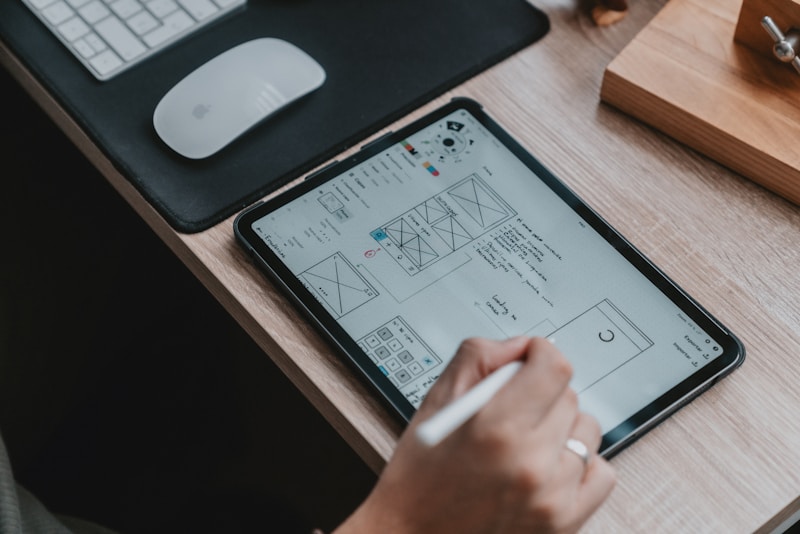
- Wireframes: Basic layout và structure
- Mockups: Visual designs without functionality
- Interactive Prototypes: Clickable prototypes (Figma, Adobe XD)
- HTML Prototypes: Code-based prototypes
2.6 Test Stage:
Test stage involves testing prototypes với users và gathering feedback.
- Usability Testing: Observe users using prototypes
- A/B Testing: Compare different versions
- User Interviews: Gather qualitative feedback
- Surveys: Collect quantitative data
- Analytics: Analyze user behavior data
3. User Research Methods
User research is fundamental để UCD và Design Thinking. Có nhiều methods để understand users.
3.1 Qualitative Research:
- User Interviews: One-on-one conversations với users
- Focus Groups: Group discussions với multiple users
- Ethnographic Research: Observe users trong natural settings
- Contextual Inquiry: Observe và interview users trong their environment
- Diary Studies: Users record their experiences over time
3.2 Quantitative Research:
- Surveys: Collect data từ large user groups
- Analytics: Analyze user behavior data
- A/B Testing: Compare different versions
- Eye Tracking: Track where users look
- Heatmaps: Visualize user interactions
3.3 User Personas:
User personas are fictional characters representing user groups.
- Demographics (age, gender, location)
- Goals và motivations
- Pain points và frustrations
- Behaviors và preferences
- Technology proficiency
- Context of use
3.4 User Journeys:
User journeys map user experiences across touchpoints.
- Stages của user journey
- User actions tại each stage
- Emotions và feelings
- Pain points và opportunities
- Touchpoints và channels
4. Usability Principles
Usability principles guide design decisions để create usable products.
4.1 Nielsen's Usability Heuristics:
- Visibility of System Status: Keep users informed về what is happening
- Match between System và Real World: Use familiar language và concepts
- User Control và Freedom: Provide undo và redo functionality
- Consistency và Standards: Follow platform conventions
- Error Prevention: Prevent errors từ occurring
- Recognition rather than Recall: Make information visible
- Flexibility và Efficiency: Support both novice và expert users
- Aesthetic và Minimalist Design: Avoid unnecessary elements
- Help Users Recognize, Diagnose, và Recover from Errors: Provide clear error messages
- Help và Documentation: Provide help when needed
4.2 Accessibility:
Accessibility ensures products are usable cho people với disabilities.
- WCAG Guidelines: Web Content Accessibility Guidelines
- Color Contrast: Ensure sufficient color contrast
- Keyboard Navigation: Support keyboard-only navigation
- Screen Readers: Support screen reader technology
- Alt Text: Provide alternative text cho images
- Semantic HTML: Use proper HTML elements
5. Information Architecture
Information Architecture (IA) là structure và organization của information trong products.
5.1 IA Components:
- Organization: How information is organized
- Labeling: How information is labeled
- Navigation: How users move through information
- Search: How users find information
5.2 IA Patterns:
- Hierarchical: Tree structure với parent-child relationships
- Sequential: Linear flow (wizards, tutorials)
- Matrix: Multiple ways to access information
- Database: Tagged, searchable content
5.3 Navigation Design:
- Primary Navigation: Main navigation menu
- Secondary Navigation: Sub-navigation, breadcrumbs
- Contextual Navigation: Links within content
- Footer Navigation: Links in footer
6. Visual Design Principles
Visual design principles guide aesthetic decisions.
6.1 Visual Hierarchy:
- Use size, color, contrast để establish hierarchy
- Guide user attention to important elements
- Create visual flow
- Balance elements
6.2 Color Theory:
- Color Psychology: How colors affect emotions
- Color Harmony: Color combinations that work well
- Color Accessibility: Ensure color contrast
- Brand Colors: Use brand colors consistently
6.3 Typography:
- Font Selection: Choose appropriate fonts
- Font Hierarchy: Use different font sizes và weights
- Readability: Ensure text is readable
- Line Height: Appropriate line spacing
- Line Length: Optimal line length cho reading
6.4 Spacing:
- White Space: Use white space effectively
- Grid System: Align elements using grid
- Consistent Spacing: Use consistent spacing units
- Visual Balance: Balance elements visually
7. Interaction Design
Interaction Design focuses on how users interact với products.
7.1 Interaction Patterns:
- Buttons: Primary, secondary, tertiary buttons
- Forms: Input fields, labels, validation
- Navigation: Menus, tabs, breadcrumbs
- Feedback: Loading states, success messages, errors
- Modals: Dialogs, popups, overlays
7.2 Micro-interactions:
- Button hover effects
- Loading animations
- Success confirmations
- Error states
- Transitions
7.3 Feedback:
- Immediate Feedback: Provide instant feedback
- Clear Messages: Use clear, concise messages
- Visual Feedback: Use visual cues (colors, icons)
- Progress Indicators: Show progress cho long operations
8. Prototyping và Testing
Prototyping và testing are essential cho UCD process.
8.1 Prototyping Tools:
- Figma: Collaborative design tool
- Adobe XD: Design và prototyping tool
- Sketch: Design tool cho Mac
- InVision: Prototyping và collaboration
- Axure: Advanced prototyping tool
8.2 Usability Testing:
- Moderated Testing: Facilitator guides users
- Unmoderated Testing: Users test independently
- Remote Testing: Testing via video calls
- In-Person Testing: Testing in lab hoặc natural setting
- Guerilla Testing: Quick, informal testing
8.3 Testing Metrics:
- Task Success Rate: Percentage of completed tasks
- Time on Task: How long tasks take
- Error Rate: Number of errors
- Satisfaction: User satisfaction scores
- Learnability: How easily users learn to use product
9. Implementation và Collaboration
UCD requires collaboration between designers, developers, và stakeholders.
9.1 Design Handoff:
- Provide design specifications
- Share design files và assets
- Document design decisions
- Communicate với developers
- Review implemented designs
9.2 Design Systems:
- Create design systems để ensure consistency
- Document components và patterns
- Share design tokens (colors, spacing, typography)
- Maintain design system
9.3 Stakeholder Communication:
- Present designs và rationale
- Gather feedback từ stakeholders
- Balance user needs với business goals
- Communicate design process
10. Best Practices
- Start với Users: Always start với user research
- Iterate: Design, test, refine, repeat
- Test Early: Test prototypes early và often
- Stay User-Focused: Keep users at center of decisions
- Collaborate: Work với cross-functional teams
- Document: Document research findings và decisions
- Measure: Measure success với user metrics
- Stay Current: Keep up với design trends và best practices
11. Tương Lai Của UCD và Design Thinking
UCD và Design Thinking sẽ continue to evolve:
- AI và Machine Learning: Use AI để personalize experiences
- Voice Interfaces: Design cho voice interactions
- AR/VR: Design cho augmented và virtual reality
- Sustainability: Consider environmental impact
- Inclusive Design: Design cho all users
- Data-Driven Design: Use data để inform design decisions
12. Kết Luận
User-Centered Design và Design Thinking are essential methodologies cho creating products that users love. By putting users at center of design process, we can create products that are not only beautiful but also useful, usable, và delightful. Understanding UCD và Design Thinking sẽ help you create better user experiences và build products that truly serve users. Hãy bắt đầu apply UCD và Design Thinking vào your design process!